
Anxiety
Anxiety: A Journey Through the Mind and Body

Anxiety is one of the most universal and, at the same time, most complex human experiences. While it’s a natural and, in many cases, adaptive response, it can become a debilitating force, invading every aspect of our lives. In this article, we’ll delve into the depths of anxiety, exploring its nature, its various manifestations, and the strategies for managing it.
What Is Anxiety? A Complex Definition
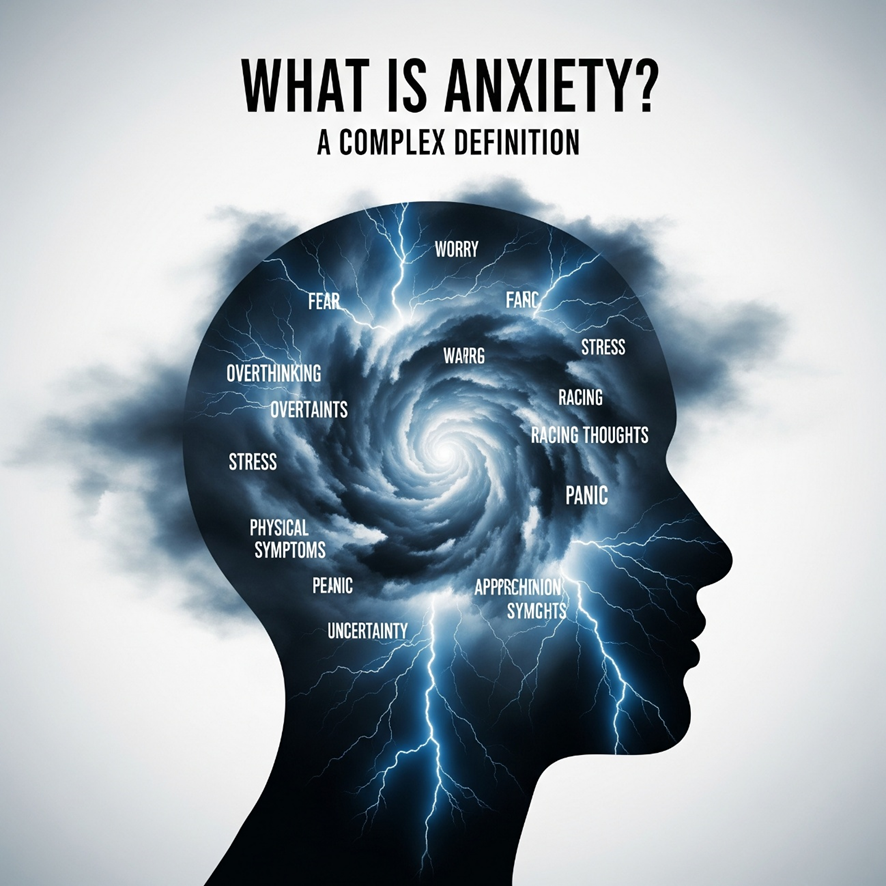
What Is Anxiety? A Complex Definition
At its most basic level, anxiety is an emotion characterized by feelings of tension, worry, distressing thoughts, and physical changes, such as increased blood pressure. It is the anticipation of a future danger, real or imagined. For example, feeling anxiety before a test or a job interview is a normal response. It motivates us to prepare better.
However, when this anxiety becomes excessive, persistent, and disproportionate to the situation, it can evolve into an anxiety disorder. The crucial difference lies in intensity and frequency. Normal anxiety is temporary and has a specific cause. An anxiety disorder, on the other hand, is chronic and can be triggered by almost nothing, or even nothing at all.
The Roots of Anxiety: A Multifaceted Look
Anxiety does not have a single cause. It is the result of a complex interaction between various factors:
- Biological Factors: Genetics play an important role. If you have family members with anxiety disorders, your chances of developing one are higher. Furthermore, chemical imbalances in the brain, such as in the neurotransmitters serotonin and norepinephrine, are strongly associated with anxiety.
- Psychological Factors: Childhood traumas, stressful events (like the loss of a loved one or a divorce), and the way we perceive the world can fuel anxiety. People with tendencies toward catastrophic or perfectionistic thinking are more vulnerable.
- Environmental and Social Factors: The fast pace of modern life, the pressures of work and social media, financial instability, and lack of sleep are powerful triggers. Today’s society demands that we are always “on-line” and productive, which creates a vicious cycle of stress and anxiety.
Types of Anxiety Disorders: An Overview
Anxiety is not a single concept; it manifests in various forms. Knowing the different types is the first step toward proper treatment.
- Generalized Anxiety Disorder (GAD): Characterized by chronic and excessive worries about a variety of events and activities. A person with GAD feels constantly tense and apprehensive, and has difficulty controlling worries, which can be about health, finances, work, or family.
- Panic Disorder: Manifests through unexpected and intense panic attacks. A panic attack is a sudden wave of fear or discomfort that peaks within minutes, with symptoms like heart palpitations, shortness of breath, dizziness, and a sense of impending doom.
- Specific Phobias: This is an irrational and persistent fear of a specific object, situation, or animal. Common examples include fear of heights (acrophobia), fear of enclosed spaces (claustrophobia), and fear of spiders (arachnophobia).
- Agoraphobia: Fear and avoidance of situations or places where escape might be difficult or embarrassing, or where help might not be available in the event of a panic attack. Places like shopping malls, public transportation, or crowds are avoided.
- Social Anxiety Disorder (Social Phobia): An intense fear of being judged, evaluated, or criticized in social situations. A person with social phobia fears being humiliated and may avoid social gatherings, meetings, or even eating in public.
- Post-Traumatic Stress Disorder (PTSD): Arises after exposure to a traumatic event (such as war, natural disasters, or violence). Symptoms include flashbacks, nightmares, avoidance of trauma-related stimuli, and hypervigilance.
The Symptoms of Anxiety: The Cry of the Body and Mind
Anxiety is an experience that affects the individual in their entirety. The symptoms can be divided into three categories:
Physical Symptoms The body enters a state of “fight or flight.”
- Accelerated Heartbeat and Palpitations: Adrenaline is released, speeding up the heart rate.
- Shortness of Breath and Feeling of Suffocation: Breathing becomes rapid and shallow.
- Excessive Sweating: The body prepares for imminent danger.
- Dizziness, Vertigo, and Tremors: Tense muscles and changes in circulation.
- Digestive Problems: Nausea, diarrhea, and stomach pain are common.
- Muscle Tension: The person feels tense and rigid, especially in the neck and shoulders.
Psychological and Cognitive Symptoms The mind enters a state of hypervigilance.
- Excessive Worry and Catastrophic Thoughts: The mind focuses on the worst-case scenario.
- Difficulty Concentrating: Attention is scattered, and memory is impaired.
- Sense of Impending Doom: The individual feels that something terrible is about to happen.
- Irritability: Small inconveniences become major problems.
- Restlessness: A feeling of being unable to stay still or relax.
Behavioral Symptoms The person changes their habits to cope with fear.
- Avoidance: The person avoids situations or places that trigger anxiety.
- Social Isolation: The person withdraws from friends and family.
- Difficulty Sleeping: Insomnia or fragmented sleep due to worries.
- Substance Abuse (Alcohol or Drugs): Some seek temporary relief in substances.
The Impact of Anxiety on Daily Life
Chronic anxiety can have a devastating impact. It can harm performance at work or school, affect relationships, and lead to social isolation. The quality of life drastically decreases as the person lives in a constant state of fear and worry. In the long term, anxiety is also associated with physical health problems, such as cardiovascular diseases and digestive issues.
Management and Treatment Strategies
The good news is that anxiety is treatable. Effective treatment usually involves a combination of therapies and, in some cases, medication.
Psychological Therapy
- Cognitive-Behavioral Therapy (CBT): This is the most effective treatment for most anxiety disorders. CBT helps the individual identify and change negative thought and behavior patterns. The person learns to challenge irrational thoughts and gradually confront the situations that cause fear.
- Mindfulness and Acceptance and Commitment Therapy (ACT): These approaches focus on accepting anxious thoughts and feelings without judgment. Instead of fighting anxiety, the person learns to observe it and live according to their values, even in the presence of anxiety.
Medications
- Antidepressants: Selective serotonin reuptake inhibitors (SSRIs) and serotonin-norepinephrine reuptake inhibitors (SNRIs) are frequently prescribed. They help regulate the brain’s neurotransmitters.
- Anxiolytics: Medications like benzodiazepines can be used for short-term relief of acute symptoms, but due to the risk of dependence, they are generally prescribed with caution and for short periods.
Self-Care Strategies
- Physical Exercise: Regular physical activity is one of the best tools for combating anxiety. It releases endorphins, which are natural painkillers and mood elevators.
- Relaxation Techniques: Meditation, yoga, and deep breathing can calm the nervous system and reduce the physical symptoms of anxiety.
- Diet and Sleep: A balanced diet and a good night’s sleep are essential. Avoiding excessive caffeine, alcohol, and sugar can make a big difference.
- Limiting Exposure to Triggers: Reducing time on social media, negative news, and stressful situations can alleviate mental overload.
Conclusion: A Look to the Future
Anxiety is more than just a passing nervousness; it’s a serious condition that affects millions of people worldwide. However, it’s important to remember that anxiety does not define who you are. It is a part of your experience, and with the right tools, it is possible to manage it and regain control of your life.
Seeking professional help is an act of courage and a crucial step toward healing. The journey can be long, but with the right support, it’s possible to find inner peace and live a full life, instead of being a prisoner to fear. Anxiety can be a battle, but it’s a battle that can be won.