
Good Life
Long Life: The Inseparable Alliance between Exercise and Food
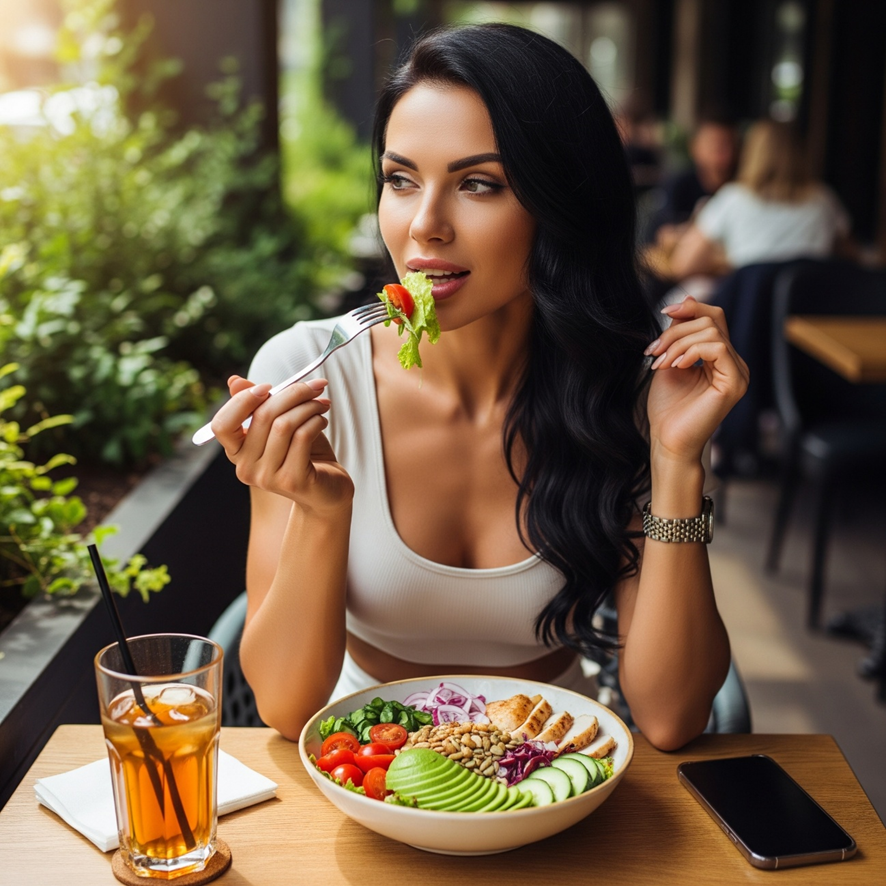
The quest for longevity and a life of quality is nothing new. Since ancient times, humanity has sought the elixir of youth and the formula for a full and enduring existence. In the 21st century, science shows us that the answer isn’t in magical potions, but in the timeless wisdom of caring for the body and mind. The combination of regular physical exercise and a nutritious, balanced diet emerges as the most powerful and accessible strategy for achieving a long and healthy life. This article delves deeply into this alliance, exploring how each of these pillars contributes to our well-being and how, together, they create a synergy that transforms health in its entirety.
I. Physical Exercise: The Engine of Longevity
The human body was made for movement. Evolution prepared us to hunt, gather, and move around. A sedentary life, a recent invention of modern civilization, goes against our nature and is the root of countless chronic diseases. Physical exercise is the antidote. Its benefits go far beyond aesthetics, acting at a cellular and systemic level.
1. Cardiovascular Protection and Metabolism Acceleration
Physical activity is the main guardian of the heart. A sedentary lifestyle is one of the biggest risk factors for cardiovascular diseases, such as hypertension, heart attack, and stroke. Exercise strengthens the heart muscle, improves blood circulation, and increases the ability of blood vessels to expand, which reduces blood pressure. Furthermore, regular practice raises the level of “good” cholesterol (HDL) and lowers “bad” cholesterol (LDL) and triglycerides.
Metabolism is our body’s power plant, and exercise acts as an accelerator. By building muscle mass, we increase our basal metabolic rate, which means the body burns more calories even at rest. This is crucial for weight control and the prevention of obesity and type 2 diabetes.
2. Musculoskeletal Health and Injury Prevention
With aging, bone density decreases, making us more susceptible to osteoporosis. Strength and weight-bearing exercises, such as weightlifting and walking, stimulate bone formation, strengthening the skeleton. Flexibility and balance, worked on in activities like yoga and tai chi, are essential for preventing falls, one of the leading causes of serious injuries in the elderly. Keeping muscles strong and active also prevents chronic joint pain, providing more autonomy and a better quality of life.
3. Mental Well-Being and Emotional Balance
The connection between the body and mind is undeniable, and physical exercise is living proof of this. Physical activity releases endorphins and neurotransmitters like serotonin and dopamine, which are known as the “happiness hormones.” They act as natural painkillers and mood lifters, reducing symptoms of depression and anxiety. Exercise also improves sleep quality, fights stress, and boosts self-esteem. It offers a form of therapy, an escape from daily worries, and a moment to reconnect with oneself.
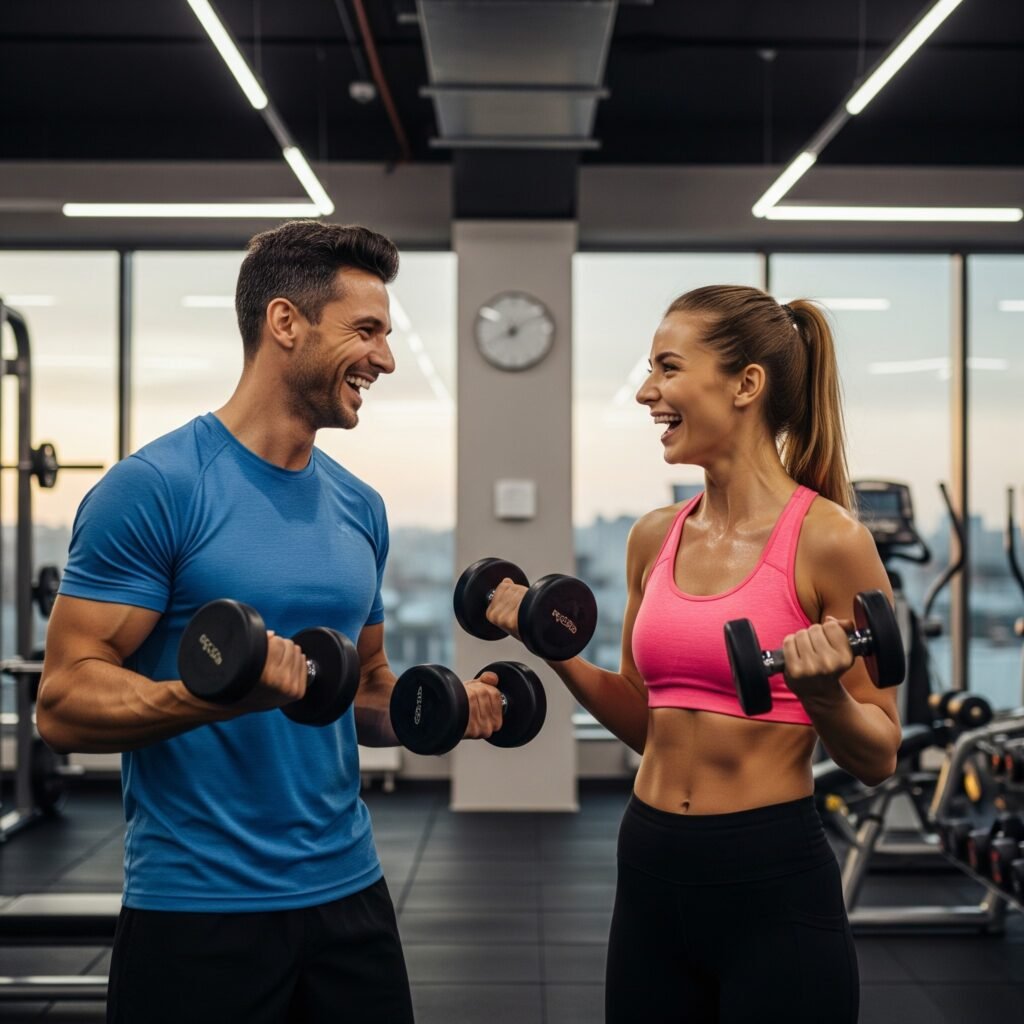
II. Nutritious Food: The Fuel of Life
If exercise is the engine, food is the fuel. No machine, no matter how powerful, can run without the correct energy. The quality of the food we eat determines the health of our cells, the effectiveness of our immune system, and our ability to fight off diseases.
1. The Anti-inflammatory Diet and the Fight Against Cellular Aging
Chronic, low-grade inflammation is one of the main culprits behind diseases like diabetes, cardiovascular diseases, and even some types of cancer. Processed foods, rich in sugar and trans fats, promote this inflammation. On the other hand, a diet rich in fruits, vegetables, whole grains, nuts, seeds, and fatty fish (rich in omega-3) is fundamentally anti-inflammatory. These foods are loaded with antioxidants, vitamins, and minerals that neutralize free radicals, protect our cells from aging, and strengthen the immune system.
2. The Importance of Macronutrients and Micronutrients
Longevity requires an adequate intake of all essential nutrients. Macronutrients (carbohydrates, proteins, and fats) provide the energy needed for bodily functions. Complex carbohydrates, such as those found in vegetables and whole grains, release energy gradually, keeping blood glucose levels stable. Proteins are the building blocks of tissues, essential for maintaining muscle mass, especially in old age. Healthy fats (unsaturated), found in avocados, olive oil, and fish, are crucial for brain and hormonal health.
Micronutrients (vitamins and minerals), though needed in small amounts, are vital. Calcium and vitamin D are fundamental for bone health. Iron is crucial for oxygen transport. B vitamins are essential for the functioning of the nervous system. A varied and colorful diet is the best way to ensure the intake of these micronutrients, acting as insurance against nutritional deficiencies that can lead to chronic diseases.
3. The Relationship between Food, the Microbiome, and Immunity
Gut health is a pillar of longevity. The gut microbiome, the community of bacteria that live in our intestines, plays a crucial role in digestion, nutrient absorption, and, most importantly, in modulating the immune system. A diet rich in fiber, probiotics (yogurt, kefir), and prebiotics (foods that feed good bacteria) keeps the microbiome healthy. A healthy gut translates into a stronger immune system and less inflammation, protecting the body from a wide range of illnesses.
III. The Perfect Synergy: When Exercise and Food Unite
The magic of longevity doesn’t lie in just exercising or eating well. The real transformation happens when the two come together in a powerful synergy. The combination is more than the sum of its parts.
- Exercise Optimizes Food: Physical activity increases insulin sensitivity, allowing the body to use carbohydrates more efficiently and prevent the development of type 2 diabetes.
- Food Boosts Exercise: A proper diet provides the necessary energy for athletic performance and essential nutrients for muscle recovery.
- Together in the Battle Against Diseases: The combination of a healthy diet and exercise is the best defense against the chronic diseases that cause the most deaths worldwide. Preventing obesity, reducing the risk of cardiovascular diseases, and improving glucose control are just a few of the direct benefits.
- Impact on Mental Well-Being: A nutrient-rich diet and regular physical activity have a cumulative and highly beneficial effect on mental health. They reduce stress, improve mood, and increase emotional resilience.
IV. Practical Strategies for a Long Life
Adopting this lifestyle doesn’t have to be an overnight revolution. Small changes and consistency are key.
- Set Realistic Goals: Start slow. If you’re sedentary, begin with a 20-30 minute walk each day. If your diet isn’t ideal, start by replacing one processed food with a fruit or vegetable.
- Find an Activity You Enjoy: Exercise doesn’t have to be a form of torture. Find an activity that gives you pleasure, whether it’s dancing, swimming, walking, cycling, or playing a team sport. Consistency is more important than intensity.
- Plan Your Meals: Planning is the secret to healthy eating. Set aside time to prepare your meals or, at least, to think about what you will eat. Having healthy snacks on hand prevents impulsive and unhealthy choices.
- Drink Water: Hydration is fundamental for all bodily functions.
- Prioritize Sleep: Sleep is how the body recovers. Exercise and nutrition influence the quality of sleep, and sleep, in turn, impacts our motivation to exercise and eat well.
V. Conclusion: The Present is the Future of Health
A long life isn’t a prize you win, but a journey you build, day by day. Modern science only reaffirms what our ancestors already knew: the secret to a full and lasting existence lies in honoring and nourishing our bodies with movement and real food. The union of exercise and nutrition is the most powerful tool we have to fight diseases, keep our minds sharp and our bodies strong, and ensure that the years we accumulate are not just a count, but a celebration of vitality. Investing in your health today is the best way to guarantee a vibrant future full of possibilities. The choice is ours, and the time to start is now.