The Importance of Hydration: More Than Just Drinking Water
The Importance of Hydration: More Than Just Drinking Water
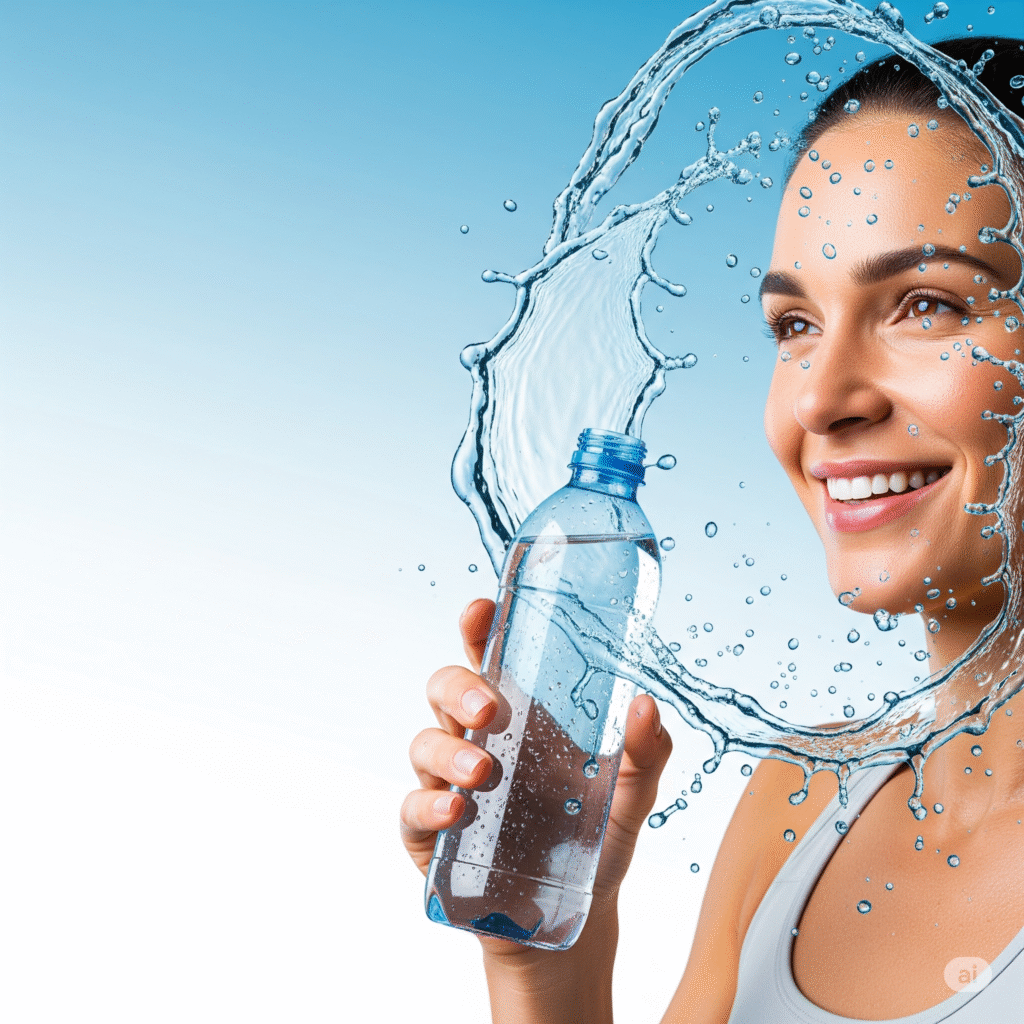
Hydration is a fundamental pillar of our health and well-being, but we often underestimate its role. It’s not just about drinking water when you feel thirsty; hydration is a complex biological process that impacts every cell, organ, and system in our body. In this article, we’ll take a deep dive into the science of hydration, demystify some myths, and provide practical tips to ensure you are always well-hydrated for a healthy body and mind.
What Happens in Your Body When You’re Hydrated?
Our body is composed of about 60% water, and this percentage is vital for maintaining a series of essential bodily functions. Water acts as a solvent, allowing vitamins, minerals, and other nutrients to be transported to cells. It also serves as a natural lubricant for joints, a crucial part of our temperature regulation system, and an essential component for digestion and nutrient absorption.
Nutrient Transport: Imagine water as a highway inside your body. It transports oxygen, glucose, and other essential nutrients to cells, ensuring they have the necessary fuel to function. Without this “highway,” cells become hungry and exhausted, which can lead to a series of health problems.

Body Temperature Regulation: When your body temperature rises, such as during physical exercise or on a hot day, the body sweats to cool down. The water on your skin evaporates, taking heat with it. If you don’t replenish this water, your body’s ability to cool down decreases, which can lead to overheating and heatstroke.
Skin Health: The skin is the largest organ of the body, and hydration is crucial for keeping it healthy and looking young. Water helps maintain the skin’s elasticity and firmness, reducing the appearance of fine lines and wrinkles. Dehydration, on the other hand, can leave the skin looking dull and dry.
Kidney Function and Detoxification: The kidneys are like your body’s filters, and they need water to function correctly. Water helps remove waste and toxins from the blood, which are then excreted in urine. Dehydration can lead to the formation of kidney stones and other serious kidney problems.
Digestive Health: Water is essential for a healthy digestive system. It helps dissolve food and move stool through the intestinal tract, preventing constipation. A lack of water can make stools hard and difficult to pass, leading to significant discomfort.
The Signs of Dehydration: Pay Attention
Thirst is the most obvious sign that you need water, but it is often a late sign of dehydration. It’s important to recognize other subtle signs your body may be giving you.
Dry Mouth and Thirst: This is the most direct sign. If your mouth feels dry, it’s a clear signal that your body needs hydration.
Fatigue and Lethargy: Mild dehydration can lead to a drop in energy levels, making you feel tired and unmotivated. This happens because a lack of water affects blood flow to the brain, decreasing the supply of oxygen.
Headache: Dehydration is a common cause of headaches. When you are dehydrated, the brain can temporarily shrink or contract, which causes pain.
Dark Urine: The color of your urine is one of the best indicators of your hydration status. Urine should be a light-yellow color. If it is dark, it is a sign that your kidneys are retaining water and that you need to drink more.
Bad Mood and Difficulty Concentrating: Dehydration affects brain function, which can lead to irritability, a bad mood, and difficulty concentrating. If you are having trouble focusing at work or in school, the solution might be as simple as drinking a glass of water.

How Much Water Do You Really Need?
The “eight glasses a day” rule is a good starting point, but the ideal amount of water varies from person to person. Factors like your weight, physical activity level, climate, and overall health status influence your hydration needs.
Body Weight: A good estimate is 35 ml of water per kilogram of body weight per day. If you weigh 70 kg, for example, your daily need is about 2.45 liters.
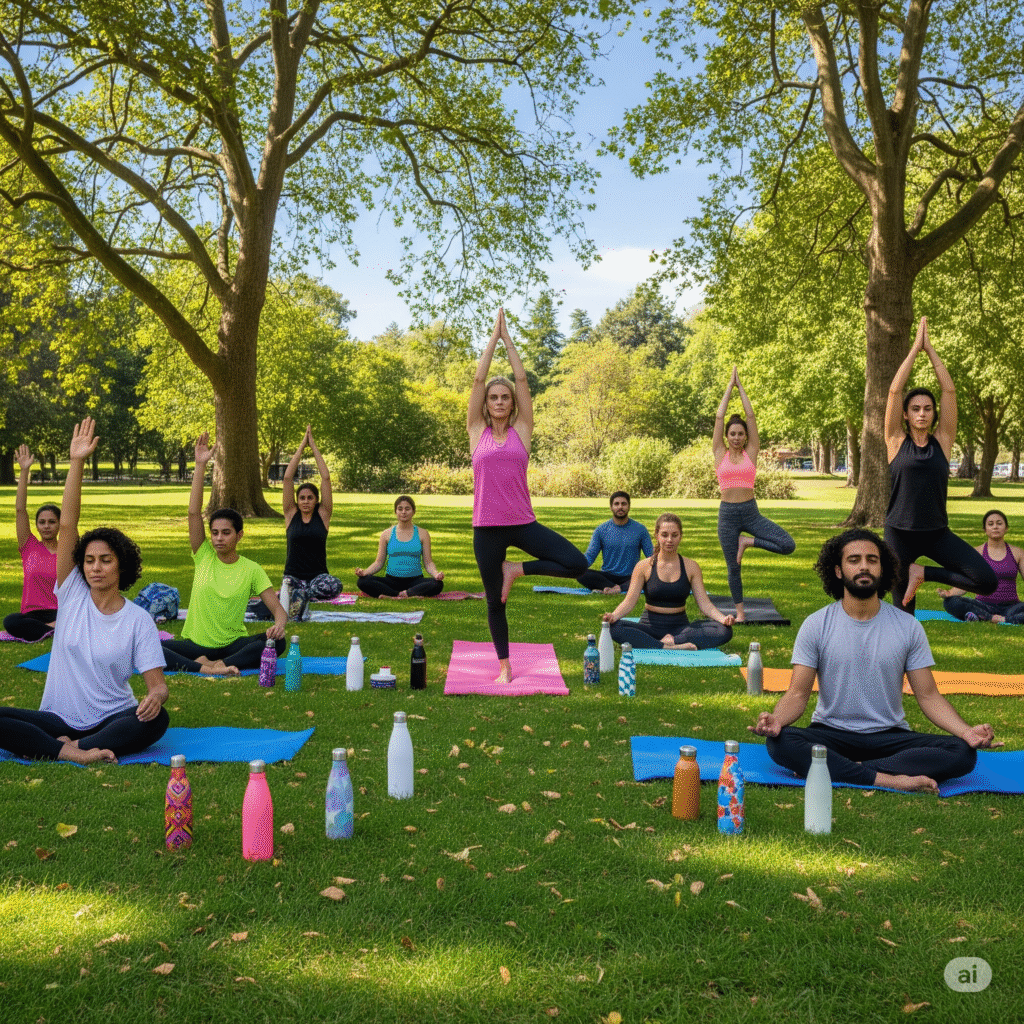
Activity Level: If you engage in physical exercise, your water needs increase. Drink water before, during, and after your activity to replenish the water lost through sweat.
Climate: In hot or humid climates, you sweat more, which increases the need for hydration.
Health: Health conditions like fever, diarrhea, or vomiting can lead to fluid loss, which requires a higher water intake.
Tips for Staying Hydrated
Drinking water might seem boring to some, but hydration doesn’t have to be monotonous. There are several ways to increase your fluid intake throughout the day.
Keep a Water Bottle Always Close: Having a reusable water bottle always at hand is one of the easiest ways to remember to drink. Leave it on your desk, in your car, or in your backpack.
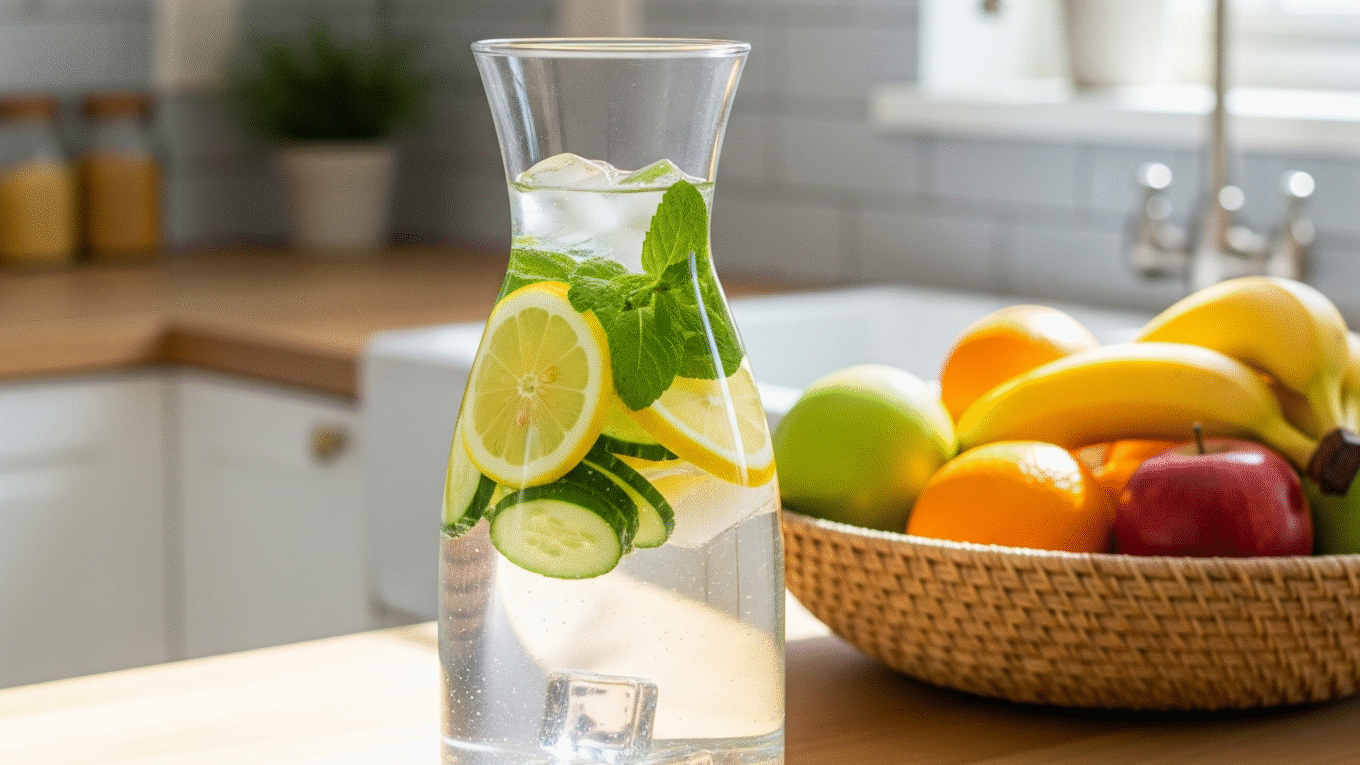
Add Flavor to Your Water: If plain water is not appealing, add slices of lemon, cucumber, strawberries, or mint leaves for a refreshing and natural flavor.
Eat Water-Rich Foods: Many fruits and vegetables, such as watermelon, strawberries, melon, cucumber, and lettuce, are largely composed of water. Incorporating these foods into your diet helps maintain hydration.
Drink Teas and Natural Juices: Herbal teas and 100% natural fruit juices can contribute to your daily fluid intake. However, avoid sugary industrialized juices and sodas, which can have the opposite effect.
Set Reminders: If you are a person who easily forgets to drink water, use reminder apps or set alarms on your phone to remind you to drink at regular intervals.

Hydration and Physical Exercise
For physical exercise enthusiasts, hydration is even more critical. Fluid loss during exercise can negatively affect performance and health.
Before Exercise: Drink about 500 ml of water two to three hours before exercise to ensure you are well-hydrated at the start.
During Exercise: Drink about 150 to 250 ml of water every 15-20 minutes. For high-intensity or long-duration exercises (more than one hour), consider sports drinks that contain electrolytes to replenish the sodium and potassium lost in sweat.
After Exercise: Drink water to replenish the amount lost. A good rule is to drink about 700 ml of water for every 500 grams of body weight lost during the activity.
Conclusion
Hydration is the foundation of a healthy life. It is a simple habit that has a profound impact on all aspects of your physical and mental health. By understanding the importance of water and the signs of dehydration, you can take proactive steps to ensure your body is always performing at its best. Make hydration a daily priority and feel the difference it can make in your energy, your appearance, and your overall well-being.